Understanding Miami’s Hurricane Season
Miami, renowned for its vibrant culture and stunning beaches, is also known for its challenging hurricane season. This annual meteorological period, typically spanning from June through November, brings with it a mix of anticipation and trepidation for residents and visitors alike. The city finds itself nestled in a region where the confluence of warm ocean currents and atmospheric conditions frequently gives rise to tropical storms, some of which escalate into full-fledged hurricanes.
Hurricanes, characterized by their high wind speeds and torrential rain, pose significant threats to both life and property. In Miami, the hurricane season is not merely a time marked on the calendar but a deeply ingrained aspect of life that influences urban planning, community preparedness, and personal safety measures. Understanding this season involves more than just tracking weather patterns—it requires a comprehensive awareness of the potential impacts and the proactive steps necessary to mitigate risks.
Residents are well-versed in the art of preparedness, stockpiling essential supplies and fortifying their homes against the relentless forces of nature. Local authorities, too, play a crucial role by issuing timely warnings and orchestrating evacuations when necessary. In this environment, preparedness is not only prudent but vital. By fostering a culture of readiness, Miami continually learns to endure and recover from the formidable challenges posed by hurricane season.
The Impact of Hurricanes on Electric Infrastructure
Hurricanes, with their ferocious winds and torrential rains, pose a formidable threat to the electric infrastructure in coastal regions like Miami. The power grid, a complex network of power lines, transformers, and substations, is particularly vulnerable to these natural disasters. When a hurricane strikes, it can lead to widespread power outages, leaving residents without electricity for days or even weeks. This disruption impacts not only individual households but also vital services, such as hospitals and emergency response units, which rely heavily on uninterrupted power supply.
One of the most significant impacts of hurricanes on electric infrastructure is the physical damage inflicted on the power distribution system. High winds can snap power lines, uproot poles, and topple trees onto these critical components. Additionally, flooding can severely damage underground cables and substations, rendering them inoperative. The aftermath of such destruction often requires extensive repair efforts, which are both time-consuming and costly, challenging utility companies’ capacities to restore services swiftly.
Apart from immediate physical damages, hurricanes also expose vulnerabilities within the existing infrastructure. Many power systems are outdated and not designed to withstand the increasing frequency and severity of modern hurricanes. This realization has spurred efforts to modernize the grid by incorporating more resilient technologies, such as smart grids and underground power lines, which are less susceptible to storm-related damage.
In conclusion, while the impact of hurricanes on electric infrastructure is profound, it also serves as a catalyst for innovation and improvement. By understanding these impacts, Miami can better prepare and fortify its electric systems against future storms, ensuring a more resilient energy future.
Preparing Your Home’s Electrical System for Hurricanes
As the hurricane season descends upon Miami, ensuring that your home’s electrical system is fortified against potential storm damage becomes paramount. The region’s propensity for severe weather events necessitates a proactive approach, safeguarding both your property and its occupants. This preparation involves a meticulous assessment and fortification of your electrical infrastructure, ensuring resilience against the tempestuous forces of nature.
Conduct a Thorough Electrical Inspection
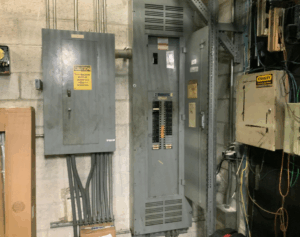
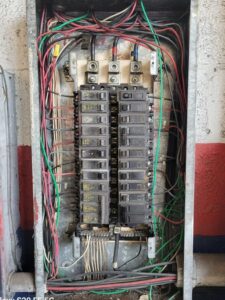
Begin with a comprehensive inspection conducted by a certified electrician. This evaluation will identify any existing vulnerabilities within your electrical system, from outdated wiring to faulty circuit breakers. Addressing these issues preemptively not only minimizes risks during hurricanes but also enhances the overall safety and efficiency of your home.
Invest in Surge Protection
Install whole-house surge protectors to safeguard your appliances and electronic devices from power surges. These surges, often caused by lightning strikes during hurricanes, can irreversibly damage equipment. A robust surge protection system acts as a barrier, absorbing excess voltage and preventing it from reaching your devices.
Secure Backup Power Solutions
Consider investing in a reliable backup power source, such as a generator. Ensure that it is appropriately sized to meet your essential power needs and is installed according to local regulations. Regular maintenance and testing of your generator will guarantee its readiness when the storm strikes, providing you with a critical power lifeline.
As the winds howl and the rains pour, having a well-prepared electrical system transforms potential chaos into manageable challenges. By taking these precautionary steps, you protect not only your home but also the well-being of those within it, fostering peace of mind amidst the storm.
Safety Precautions for Electrical Equipment
As Miami braces itself for the hurricane season, understanding how to safeguard electrical equipment is paramount. Hurricanes present a unique challenge, not only with their fierce winds and torrential rains but also with the potential to disrupt power supplies and damage electrical systems. To ensure safety and minimize damage, it is essential to take preemptive measures.
Unplug Non-Essential Devices
One of the most straightforward yet effective precautions is to unplug non-essential devices. This reduces the risk of power surges that can occur when the electricity is restored after an outage. By disconnecting these devices, you can protect them from sudden voltage spikes that could lead to irreparable damage.
Invest in Surge Protectors
For devices that must remain plugged in, such as refrigerators or security systems, investing in high-quality surge protectors is crucial. These devices act as a buffer, absorbing excess voltage and preventing it from reaching your equipment. Ensure that surge protectors are rated for the type of devices they are safeguarding, as not all are created equal.
Elevate Electrical Equipment
Flooding is a common byproduct of hurricanes, and water damage can be catastrophic for electrical systems. Where possible, elevate electrical equipment above ground level to prevent contact with water. This simple step can save both equipment and significant repair costs.
By adhering to these safety precautions, residents can greatly reduce the risks associated with hurricane-induced power disruptions. Thoughtful preparation not only protects valuable electrical equipment but also ensures a smoother recovery process once the storm has passed.
The Role of Electrical Companies During Hurricane Season
In Miami, the arrival of hurricane season heralds not just a meteorological challenge but a significant operational test for electrical companies. These entities play an indispensable role in ensuring the resilience and reliability of power systems when faced with the formidable forces of nature. As the hurricane season looms, electrical companies are tasked with a multi-faceted approach that encompasses preparation, response, and recovery, aiming to mitigate the impact of these natural disasters on the city’s power infrastructure.
Proactive Measures and Infrastructure Fortification
Before the tempestuous winds even begin to stir, electrical companies engage in rigorous preparatory activities. This includes fortifying existing infrastructure to withstand the onslaught of high winds and torrential downpours. Reinforcing power lines and securing transformers are critical steps undertaken to minimize outages. Additionally, companies invest in advanced technology and predictive analytics to anticipate potential weak points in the grid, allowing for strategic fortification.
Immediate Response and Restoration Efforts
When hurricanes make landfall, electrical companies spring into action with a well-coordinated response plan. Emergency crews are deployed rapidly to assess and repair damage, prioritizing areas with critical needs such as hospitals and emergency response centers. Equipped with real-time data and communication tools, these teams work tirelessly to restore power, often in hazardous conditions, to ensure that Miami’s residents have access to essential services.
Community Engagement and Communication
Beyond technical operations, electrical companies maintain an open line of communication with the community. Providing timely updates and safety information helps residents make informed decisions during power outages. By engaging with the public through various channels, including social media and dedicated helplines, companies aim to foster a sense of preparedness and assurance among Miami’s populace.
In conclusion, the role of electrical companies during hurricane season is both dynamic and crucial. Their proactive strategies, swift response efforts, and commitment to community communication form the backbone of Miami’s resilience against the unpredictable wrath of nature.